Bulgaria travel tips: what to know before your trip in 2026
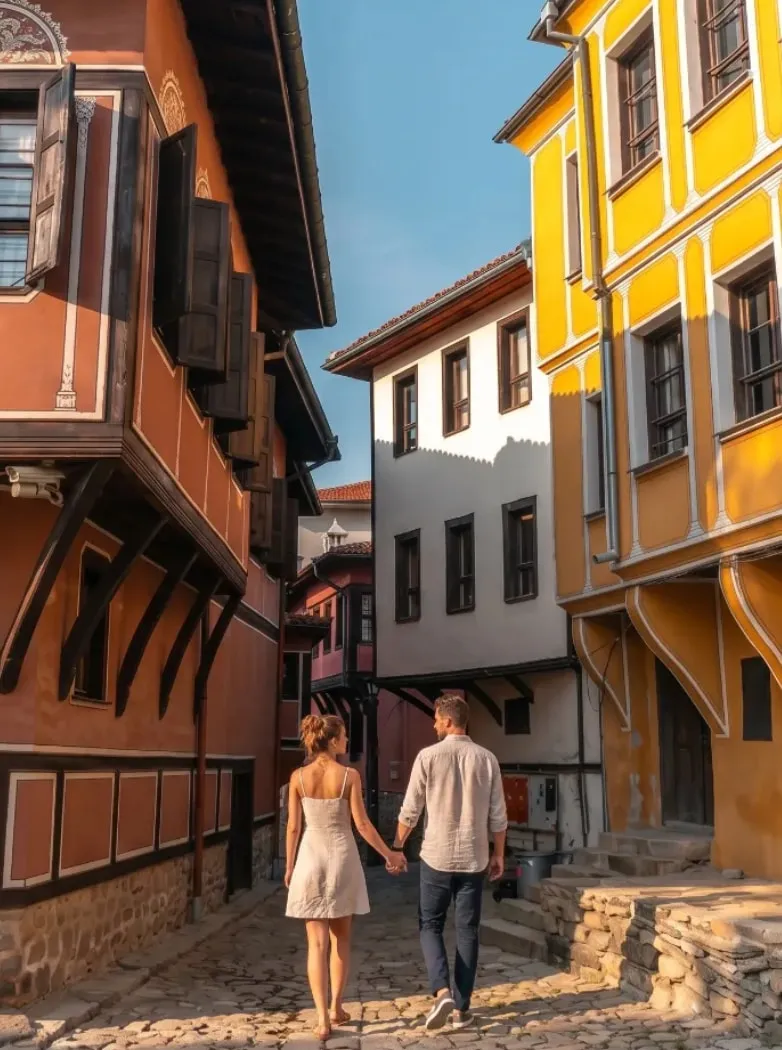
Bulgaria is easy to travel in once you know a handful of local rules. This guide covers what has changed recently (Schengen, the euro and the new EU border system) and the everyday things visitors ask us about most: taxis, cards and cash, driving, phones and a few confusing customs. We checked everything against official sources in October 2026.
Entry rules: Schengen, EES and ETIAS
Bulgaria has been a full Schengen member since 1 January 2025. Coming from Greece or Romania, you normally cross without a passport check. The borders with Turkey, Serbia and North Macedonia are external Schengen borders, with full checks.
- EU citizens can travel with a national ID card.
- Visitors from visa-free countries such as Israel, the UK and the US can stay up to 90 days in any 180-day period. The count covers the whole Schengen area, not just Bulgaria. Your passport should be valid for at least three months after the day you leave and have been issued within the last ten years.
The Entry/Exit System (EES) started on 12 October 2025 and has been fully running at all Schengen external borders since 10 April 2026. If you’re not an EU citizen, the first time you enter the Schengen area since then, the officer scans your passport and takes your fingerprints and a photo. Passports are no longer stamped, and later crossings are quicker. Allow a little extra time on your first trip.
ETIAS is the online travel authorisation that visa-free visitors will need in the future. As of October 2026 it is not in operation and no applications are being collected. The EU will announce the start date several months in advance, and the fee will be €20. Any website charging for an ETIAS today is not official; see the EU’s ETIAS page.
Money: Bulgaria now uses the euro
Bulgaria joined the euro area on 1 January 2026, and since 1 February the euro has been the only legal tender. Prices, menus and ATMs are all in euros.
- Leftover leva? The Bulgarian National Bank exchanges them free with no deadline, at its Sofia head office and at Cash Service Company offices in Sofia, Plovdiv, Burgas, Varna and Pleven. Commercial banks and some post offices exchange them until at least 31 December 2026, but since 1 July they can charge a fee.
- Cards work almost everywhere in Sofia and the larger towns, and contactless is standard. Keep some cash for villages, markets, mountain huts and small guesthouses.
- ATMs: use a bank’s machine, check the fee on the screen before you confirm, and cancel if it looks high.
- Always choose euros. When a terminal or ATM offers to charge you in your home currency, say no. This dynamic currency conversion uses the machine’s own rate, which is usually worse than your bank’s.
Language and local customs
- A nod means no. Traditionally, Bulgarians shake their head for “yes” and nod for “no”. People who work with tourists often switch to the Western way, which adds to the confusion. Listen for the words: “da” is yes, “ne” is no.
- The Cyrillic alphabet. Bulgarian is written in Cyrillic, and 24 May is a national holiday celebrating the alphabet. In Sofia, metro signs and main road signs also use Latin letters, but menus and bus timetables often don’t. A camera translation app helps.
- English is widely spoken by younger people and in hotels and restaurants in Sofia and the resorts. In villages, less so.
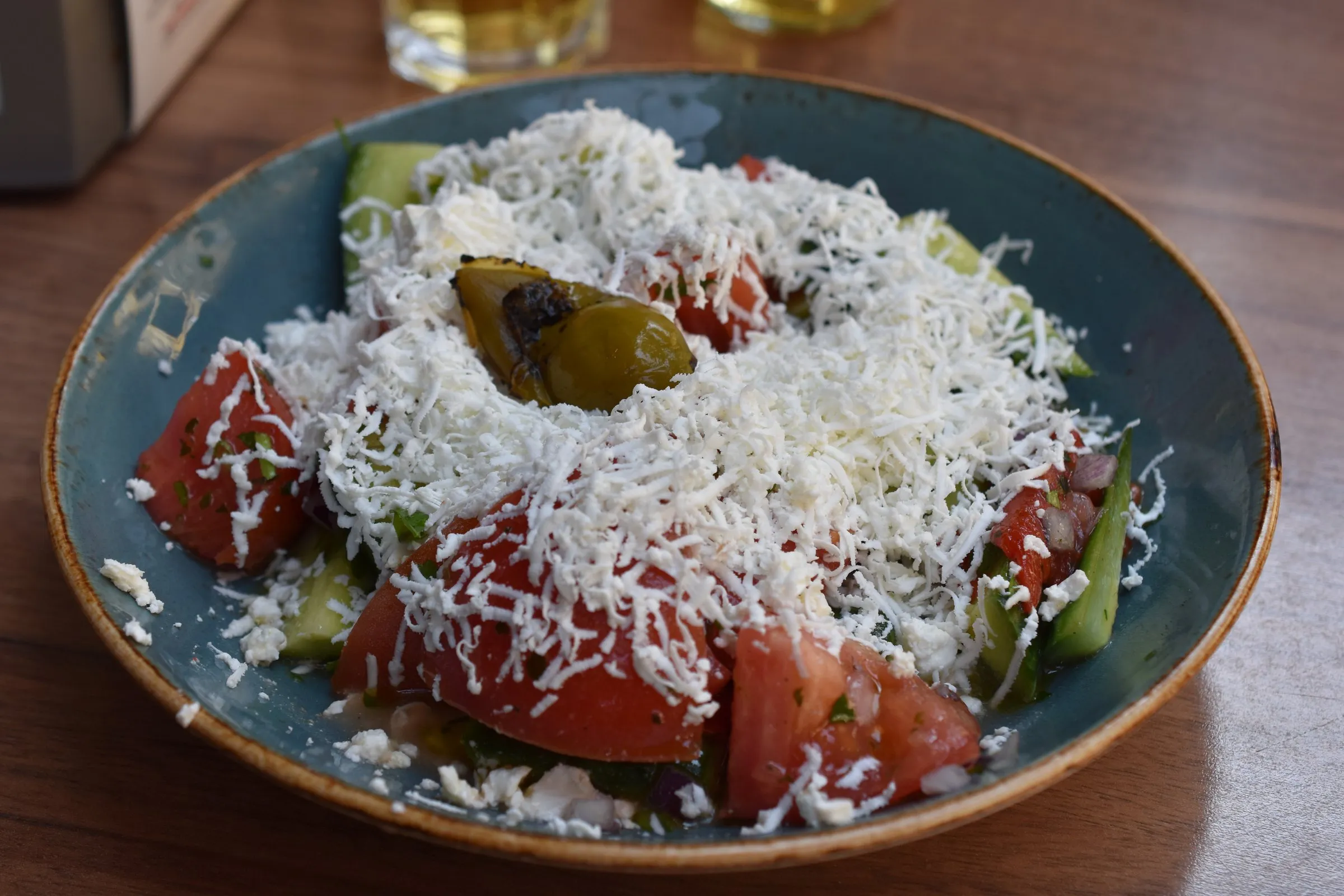
- Tipping: about 10% in restaurants when you’re happy with the service. In cafés and taxis, round up. Our guide to Bulgarian food has more on eating out.
- Name days. Many Bulgarians celebrate the feast day of the saint they’re named after, often as much as a birthday. If someone is treating everyone on an ordinary day, that’s probably why.
- Smoking is banned indoors in restaurants, bars and other enclosed public places, but expect smoke on terraces.
Getting around
Taxis, not ride-hailing apps
Uber and Bolt don’t offer car rides in Bulgaria. Bolt runs in Sofia only for e-scooters, e-bikes and food delivery. Use licensed taxis: yellow cars with the company name on the door and the rates on a sticker in the window. Ordering through a taxi company’s app, such as Yellow! or TaxiMe, is the simplest way to avoid being overcharged.
At Sofia Airport, Yellow! is the official taxi operator, with desks in the arrivals halls of both terminals. The airport advises against taxis offered away from the official desk.
The Sofia metro and the airport
Metro line M4 starts at Terminal 2 and reaches the city centre in about 20 minutes. Tap a contactless bank card or phone at the gate. The airport lists a single ride at €0.80, and you’re never charged more in a day than the price of a day pass. From Terminal 1, take bus 84 into town or the free shuttle to Terminal 2.
Trains and buses
Trains are cheap but slow, and on most intercity routes the bus is faster. Mountain sights like Rila Monastery are hard to reach by public transport, so most visitors drive or go with a driver.
Renting a car
- E-vignette: you need one on motorways and most main roads outside towns. Since 1 August 2026 it costs €5.30 for a day, €6.60 for a weekend, €10 for a week and €19.90 for a month. Rental cars usually have one, and you can check any plate on bgtoll.bg. Buy only from bgtoll.bg, its app or its official partners.
- Lights on during the day, all year: daytime running lights or dipped headlights.
- Alcohol: the limit is 0.5 g per litre of blood (0.05%). Even slightly over it means a fine and losing your licence for six months, so if you’re driving, don’t drink.
- Winter tyres: from 15 November to 1 March, cars must have winter tyres or tyres with at least 4 mm of tread.
- Speed limits for cars are 50 km/h in towns, 90 km/h outside towns, 120 km/h on expressways and 140 km/h on motorways, unless signs show otherwise. Phones are allowed only hands-free.
- Your licence: ask the rental company in advance whether they also need an international driving permit.
For a first route, see our four-day road trip from Sofia.
Practical basics
- Emergencies: call 112 for police, ambulance or fire, as across the EU.
- Health insurance: EU citizens should bring their European Health Insurance Card (EHIC). Everyone else needs travel insurance that covers medical care.
- Tap water in Sofia is fine to drink. Most of it comes from the Rila mountains via the Iskar and Beli Iskar dams, and the water company tests it daily.
- Plugs are type C and F, the round two-pin European kind, at 230 V.
- Time zone: UTC+2 in winter and UTC+3 in summer, the same as Greece and, almost all year, Israel. The exception is a couple of days in late March: Israel moves its clocks forward on the Friday before the last Sunday, Bulgaria on the Sunday.
- Phones: with an EU SIM card, using your phone here costs the same as at home. From outside the EU, buy an eSIM before you fly or a local prepaid SIM from A1, Yettel or Vivacom.
- Safety: Bulgaria is generally safe. Watch your bag in crowds and on public transport, and stick to licensed taxis.
When to go
- May–June and September–October are the best months for Sofia, Plovdiv and day trips: mild weather and fewer crowds.
- July–August is hot in the cities and busy on the Black Sea coast, but it’s the season for the high mountains. The chairlift for the Seven Rila Lakes usually runs from late June to the end of September.
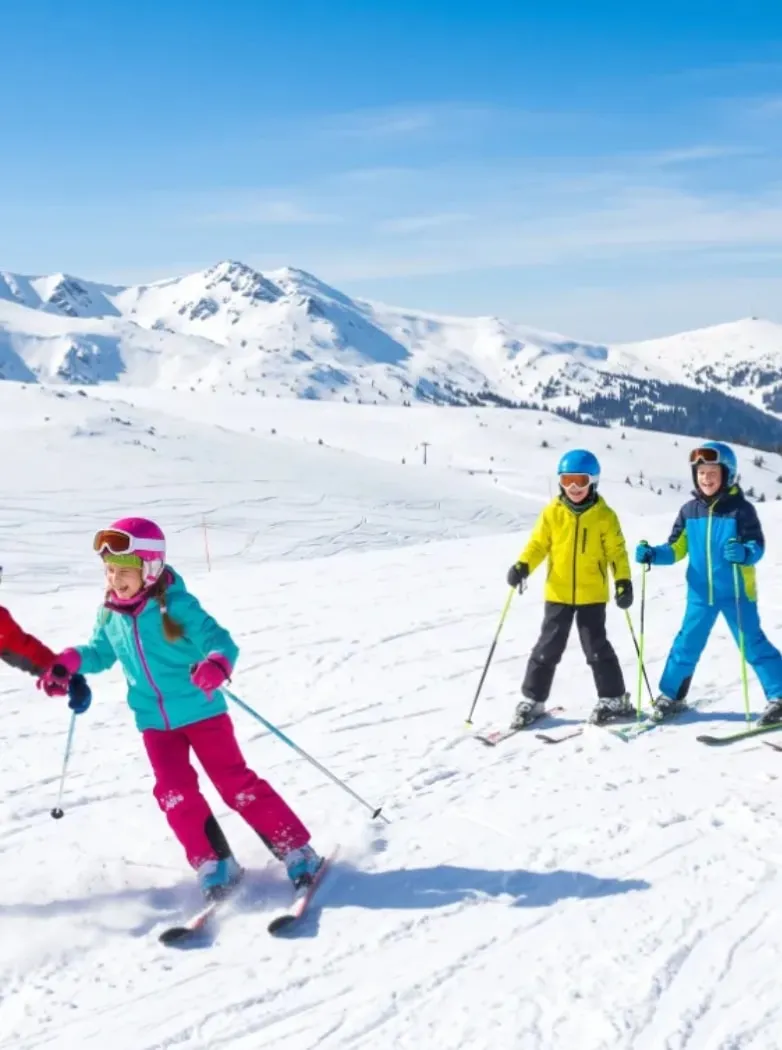
- December–March is ski season in Bansko, Borovets and Pamporovo. Sofia and Rila Monastery work all year round.
Want us to plan this?
If you’d rather skip the vignettes, the taxi apps and the mountain roads, we can do the driving. On our Rila Monastery day trip, a private driver picks you up from your hotel in Sofia at 09:00 and brings you back around 17:00. We also plan whole trips, with hotels and transfers, and we’re happy to answer questions before you fly.