10 things to do in Sofia: churches, Roman ruins and Vitosha
Sofia is a compact capital. Most of its big sights are within a 20-minute walk of each other, and a mountain over 2,000 metres high rises at the end of the main boulevard. These are the ten things we suggest to friends on their first visit, in an order you can follow on foot and then by car. At the end: getting in from the airport, paying for transport and how many days to stay.
1. Alexander Nevsky Cathedral
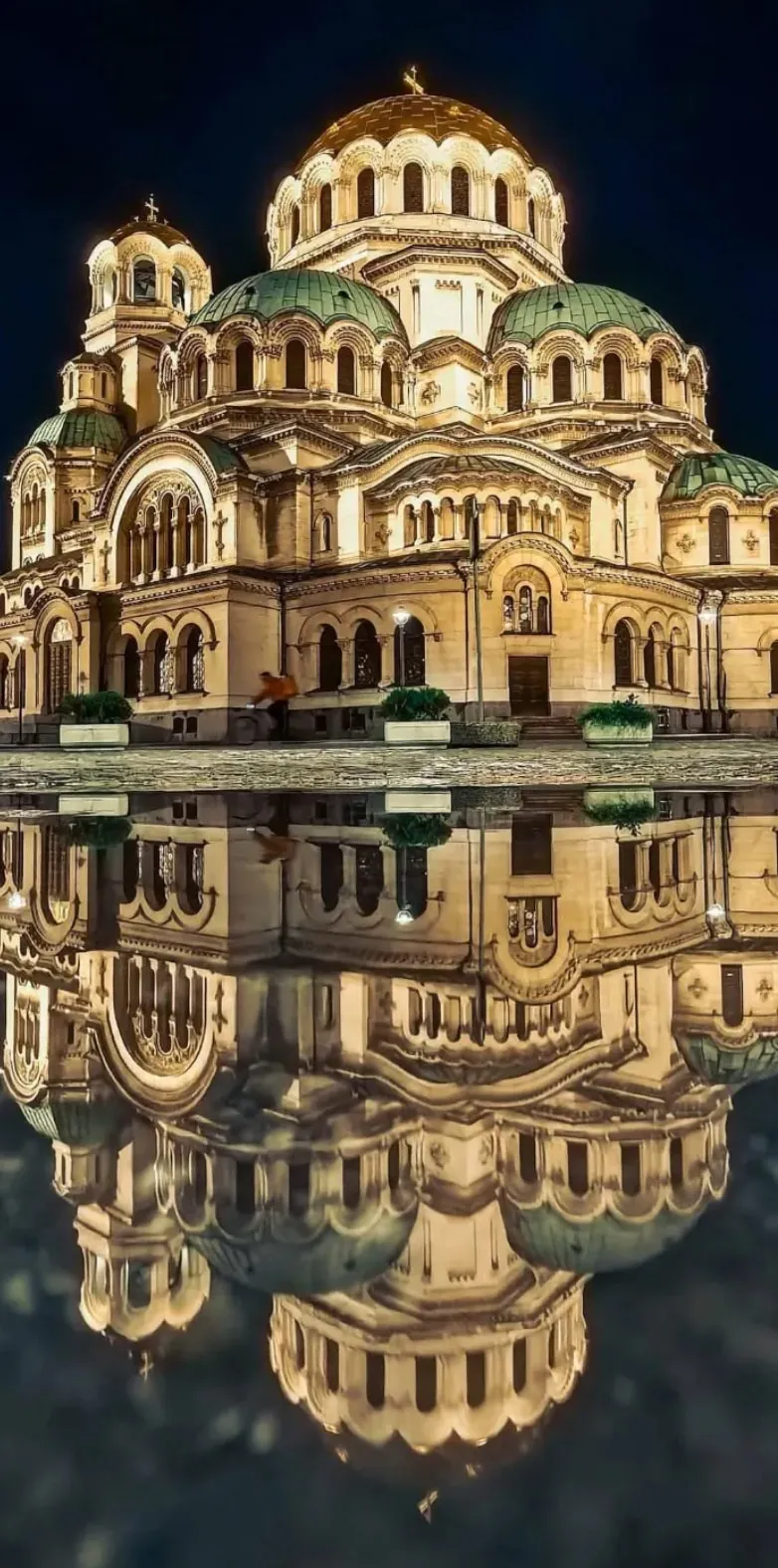
The cathedral with the gold domes is Sofia’s postcard. Most of it was built between 1904 and 1912, in memory of the Russian soldiers who died in the Russo-Turkish War of 1877–78, which led to Bulgaria’s liberation from Ottoman rule. It holds about 5,000 people and entry is free. Go in for the dim, candle-lit interior, and come back after dark when the domes are lit.
The crypt holds the National Gallery’s Museum of Christian Art, a large collection of Bulgarian icons (€10, or €2 on Thursdays; closed Mondays). Across the square stands the small brick church of St Sofia, which gave the city its name.
2. Roman Serdica and the Rotunda of St George
Modern Sofia sits on top of the Roman city of Serdica. In and around Serdika metro station, under Nezavisimost Square, you can walk among excavated Roman streets, building foundations and water pipes without paying anything.
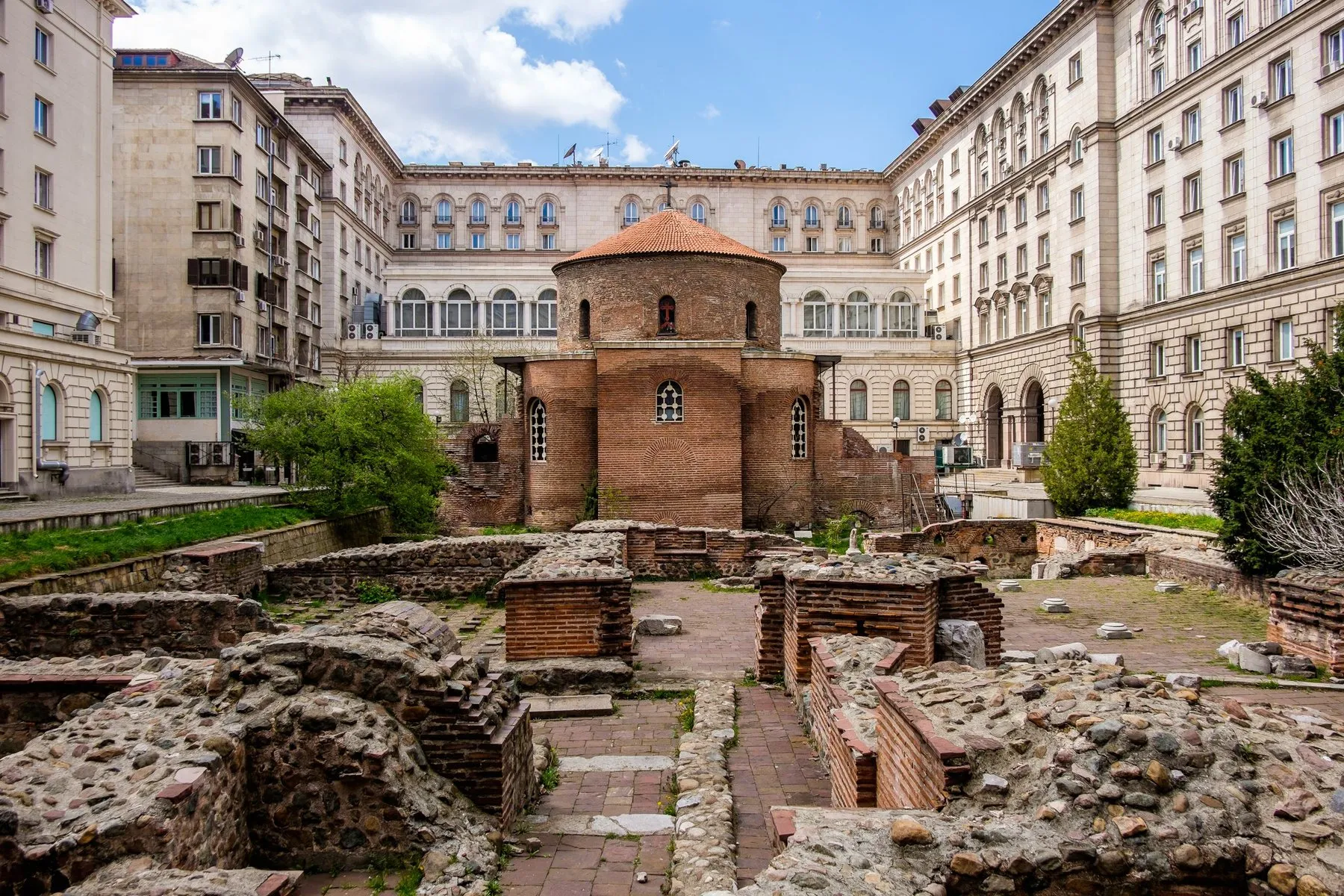
A few minutes away, in the courtyard behind the Presidency, stands the red-brick Rotunda of St George. It dates from the early 4th century and is considered the oldest building in the city. Inside are layers of medieval frescoes. It is still a working church, so keep your voice down during services.
3. The Sofia Synagogue
Opened in 1909 and designed by the Viennese architect Friedrich Grünanger, the synagogue is one of the largest Sephardic synagogues in Europe. Inside are Moorish arches, Venetian mosaics and a huge brass chandelier made in Vienna. The ticket (€10, or €8 for students and seniors) includes an audio guide and “The Niche”, a small exhibition on the life and history of Bulgaria’s Jews.
It’s open to visitors Sunday to Friday and closed on Jewish holidays and Bulgarian public holidays. Check the synagogue’s website before you go. Within a five-minute walk are St Nedelya Church, the Banya Bashi Mosque and the Catholic Cathedral of St Joseph, which is why this corner of the city is often called the “square of religious tolerance”.
4. Banya Bashi Mosque and the mineral springs
Sofia grew up around hot springs, and this is the place to see them. The Banya Bashi Mosque, completed in 1566 and attributed to the great Ottoman architect Mimar Sinan, stands over thermal springs. It’s the city’s only working mosque, so dress modestly and avoid prayer times if you’d like to look in.
Next door, the old Central Mineral Baths, opened in 1913, now house the Sofia History Museum. The building alone is worth a look, and it shares an architect with the synagogue: Grünanger worked on its final design. Outside the baths there are public taps with warm mineral water, and you’ll usually see locals filling bottles.
5. Vitosha Boulevard, NDK and South Park
Vitosha Boulevard is Sofia’s pedestrian main street, lined with cafés, shops and restaurants, with the mountain it’s named after straight ahead. It ends at the National Palace of Culture (NDK), a giant 1981 congress centre with a wide plaza and fountains where the city comes out in the evening. Behind NDK begins South Park, one of Sofia’s biggest green spaces, good for a long walk or for letting kids run.
6. The Museum of Socialist Art
This is the most direct way into Bulgaria’s communist chapter. The sculpture park holds dozens of communist-era statues, Lenin among them, and the red star that once topped the Party House stands at the entrance. Indoors there’s a gallery of socialist-realist paintings and a room that screens old propaganda films. Tickets are €8 (€2 on Thursdays), and it’s closed on Mondays. It’s a short metro ride east of the centre.
7. Boyana Church and the National Historical Museum
In the Boyana neighbourhood, at the foot of Vitosha, two of Sofia’s best sights are a few minutes’ drive apart. Boyana Church has been on the UNESCO World Heritage List since 1979. It’s tiny, but its frescoes from 1259 are among the best-preserved medieval art in the Balkans. Only nine people can be inside at once, for ten minutes, so expect a short wait at busy times. Tickets are €10.
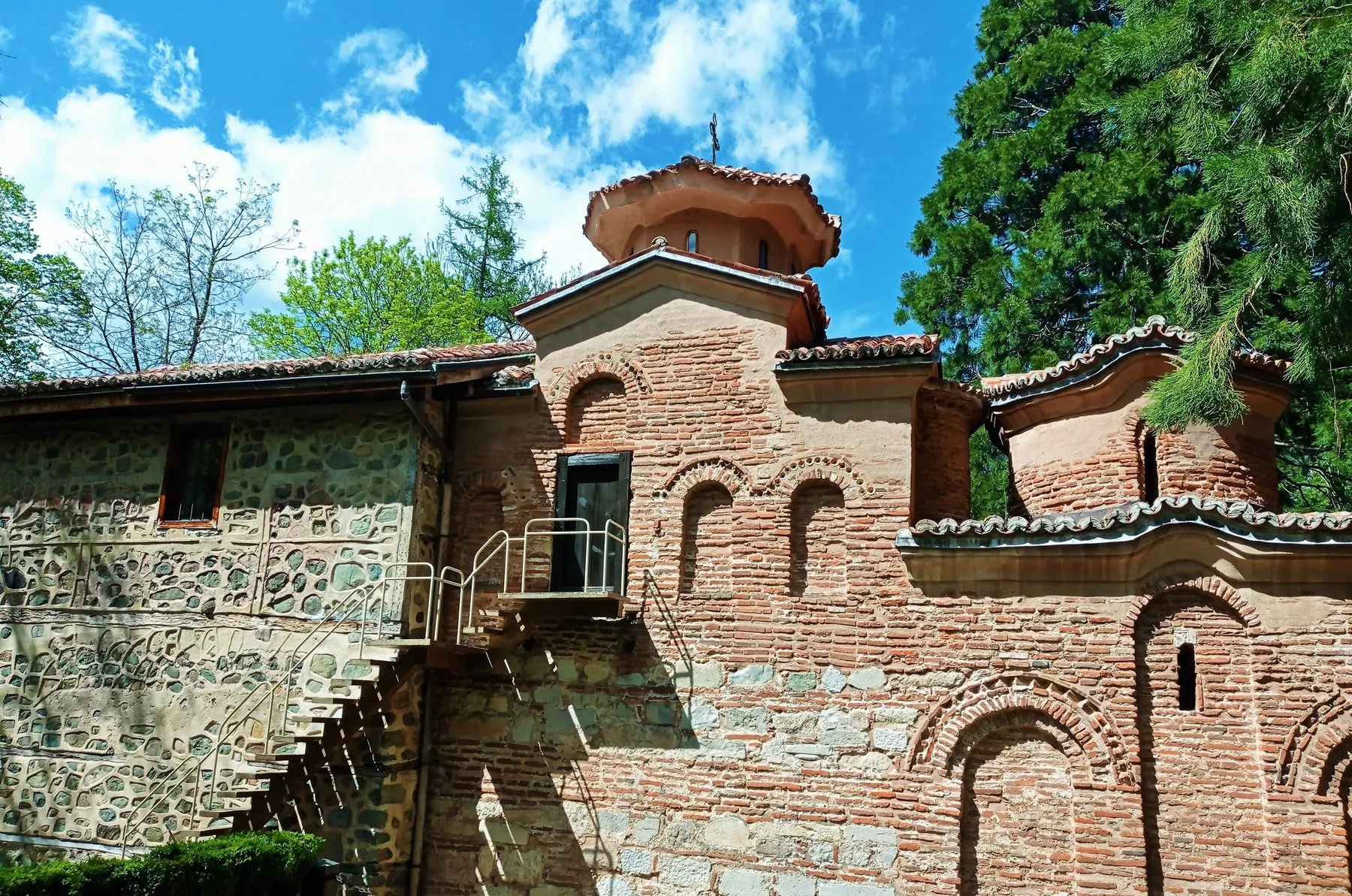
Photo: Ivano Giambattista, CC0
The National Historical Museum, in a former government residence nearby, holds the country’s main collection, from Thracian gold treasures to the Ottoman and modern periods. It’s open every day and a ticket costs €9. Give it at least two hours.
8. Vitosha mountain
Vitosha rises right above the city, and its highest peak, Cherni Vrah, reaches 2,290 metres. The easiest stop is the Golden Bridges, a river of huge boulders in the forest with short paths around it. Higher up, Aleko, at about 1,800 metres, is the starting point for longer hikes, including the climb to Cherni Vrah about 3 km away. From the Boyana neighbourhood, a steep half-day hike leads up to the Boyana Waterfall.
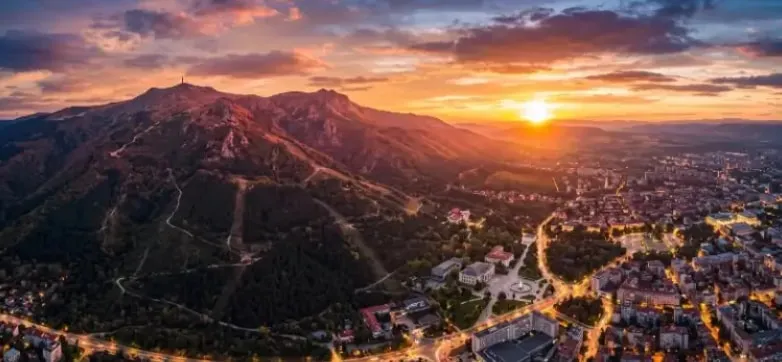
At the time of writing, no lift is carrying visitors from the edge of the city up to Aleko: the operator lists the Simeonovo gondola as not working. So you drive up, take a city bus (packed at weekends) or come with a driver. The weather changes fast up there, so bring a warm layer even in summer. Our Vitosha, lakes and hot pools day includes the Golden Bridges.
9. A night at the opera or ballet
The Sofia Opera and Ballet runs a full season from autumn to early summer, with classics such as La Traviata, Tosca and Swan Lake, and you don’t need any Bulgarian to enjoy them. Tickets are sold on the opera’s website. The Ivan Vazov National Theatre, facing the City Garden, is worth a look from outside on an evening walk, though its plays are in Bulgarian.
10. A day trip to Rila Monastery or Plovdiv
Two of Bulgaria’s best-known sights are about two hours from Sofia by road. Rila Monastery, a UNESCO site deep in the Rila mountains, has a painted church and a striped inner courtyard surrounded by forest. Plovdiv, one of the oldest cities in Europe, has a Roman theatre, a hilly old town and Kapana, a quarter of small bars and galleries. Both make an easy day out: see our Rila Monastery and Plovdiv days.
Getting in and getting around
- From the airport: metro line M4 starts right at Terminal 2 and runs to Serdika station in the centre in about 20–25 minutes. Trains run from early morning until around midnight. If you land at Terminal 1, a free shuttle bus takes you to Terminal 2.
- Paying for rides: tap a contactless bank card or phone on the validator in buses, trams and trolleybuses, or at the metro gates. A ride costs €0.80 and covers transfers for 30 minutes, as long as you tap again in each vehicle. A day ticket costs €2, and card payments are capped at that amount per day. Each person needs their own card or phone.
- On foot: the centre, from the cathedral to NDK, is easy to walk. You only need transport for Boyana, the Museum of Socialist Art and Vitosha.
- Before you fly: for entry rules, money and other basics, see our Bulgaria travel tips.
How many days to spend
Two full days cover this list at a relaxed pace: one for the centre (numbers 1 to 5, plus an evening out) and one for Boyana, the museums and Vitosha. With three or four days you can add Rila Monastery or Plovdiv and still have time for long coffees.
How we do it
On our Sofia walking tour, a private guide meets you at your hotel and spends about three hours with you in the centre: the cathedrals, Roman Serdica, the history of Bulgaria’s Jews and the royal boulevards with their yellow cobblestones. For the sights further out, we can arrange a driver for Boyana and Vitosha, or a full day trip to Rila or Plovdiv.